
Royal.io • 2022
Designing a marketplace for music ownership
What if fans could own a piece of the music they love? Royal let artists like Nas, Diplo, and The Chainsmokers sell portions of their music rights directly to fans through Limited Digital Assets (LDAs). Fans could earn streaming royalties, while artists gained a new way to raise capital and connect with their audiences. I led the design of Royal’s collector experiences, shaping its music royalty platform.
Making music ownership tangible
Music rights weren’t new, but letting fans buy and own a stake in them was. I designed the whole collector experience around that: discovering music rights, buying and selling them on an open marketplace, and a profile and portfolio where collectors could see how their assets were doing, claim royalties, and withdraw earnings, down to the receipts. This is where the platform ended up. Getting there took a few iterations, starting with how we sold tokens.
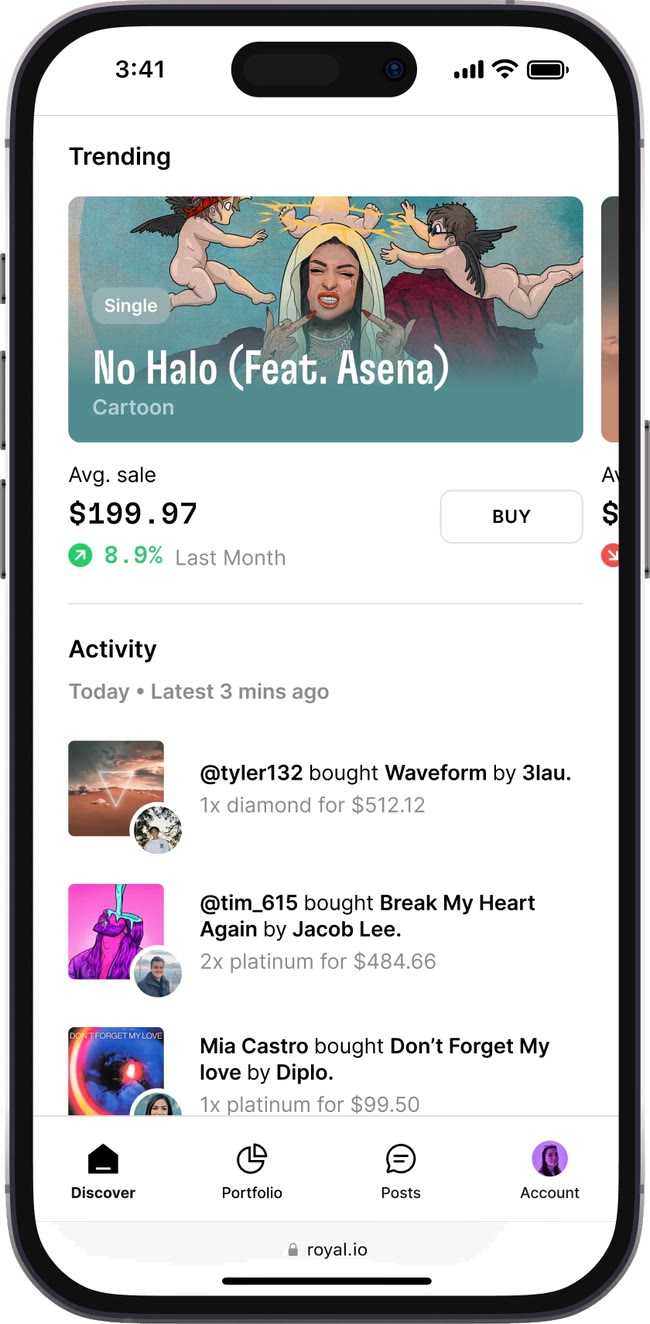
marketplace
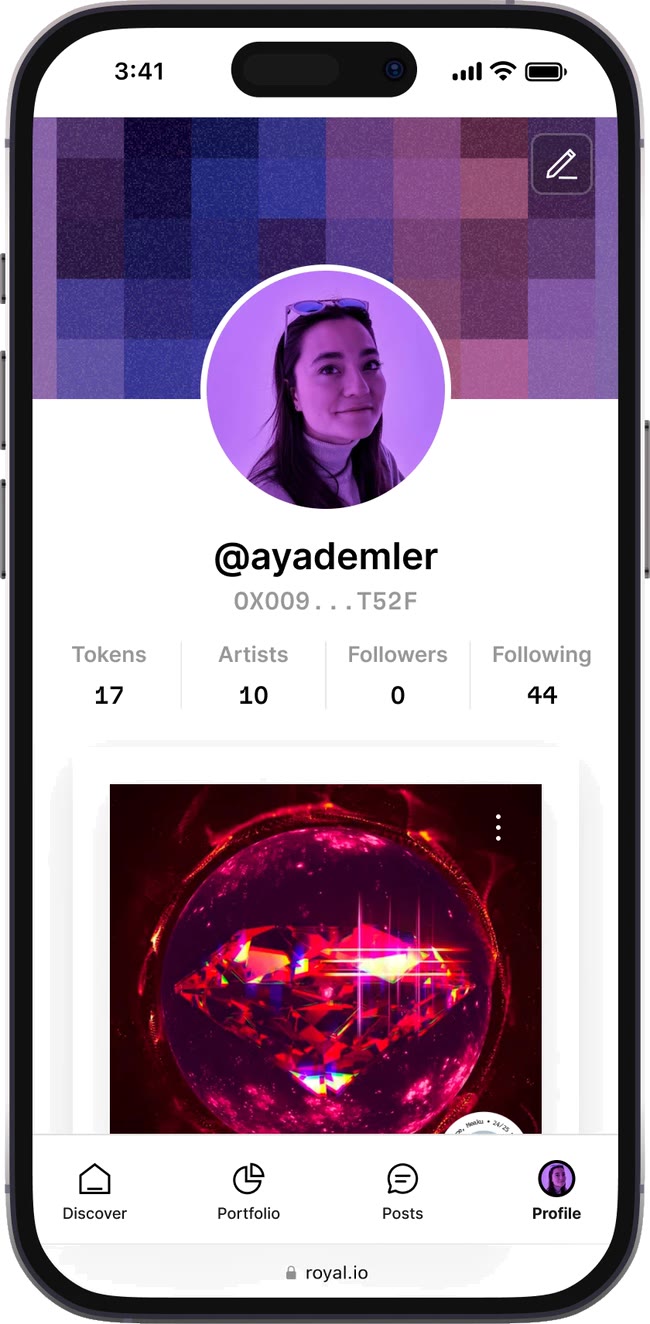
owning LDAs
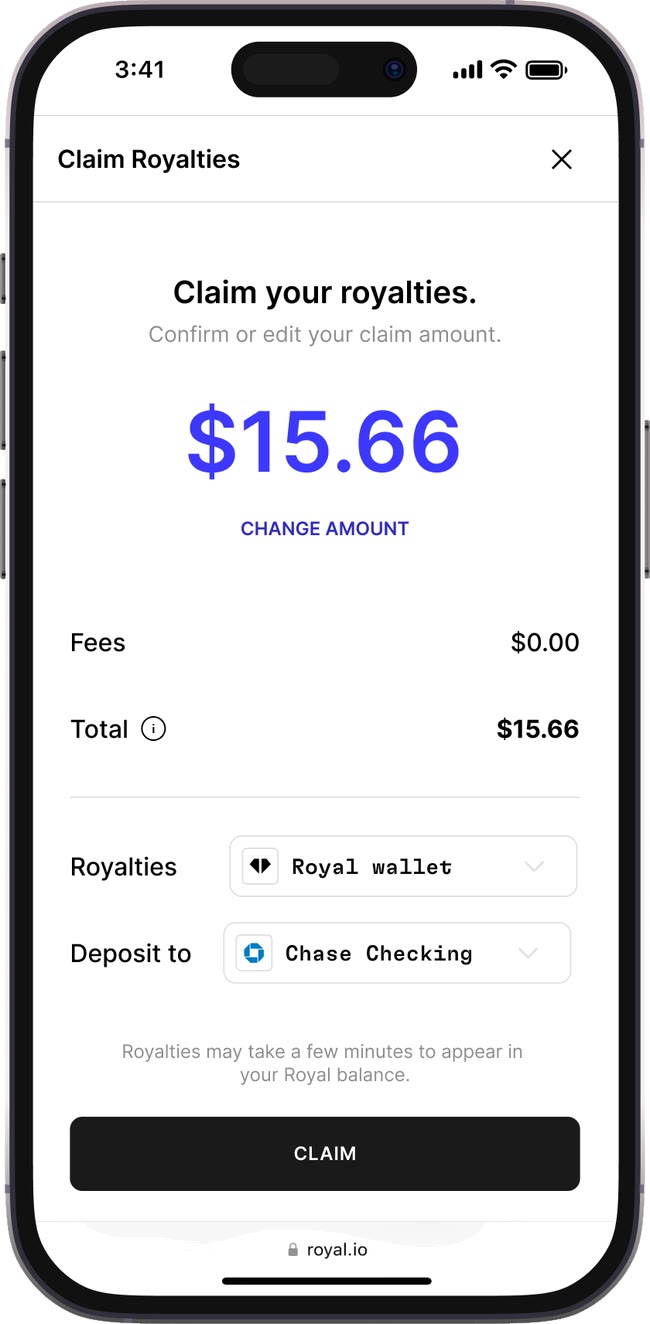
claiming royalties
The problem with selling out
Our earliest releases worked like limited-edition drops. Artists announced a collection, built anticipation, and opened sales at a specific time.
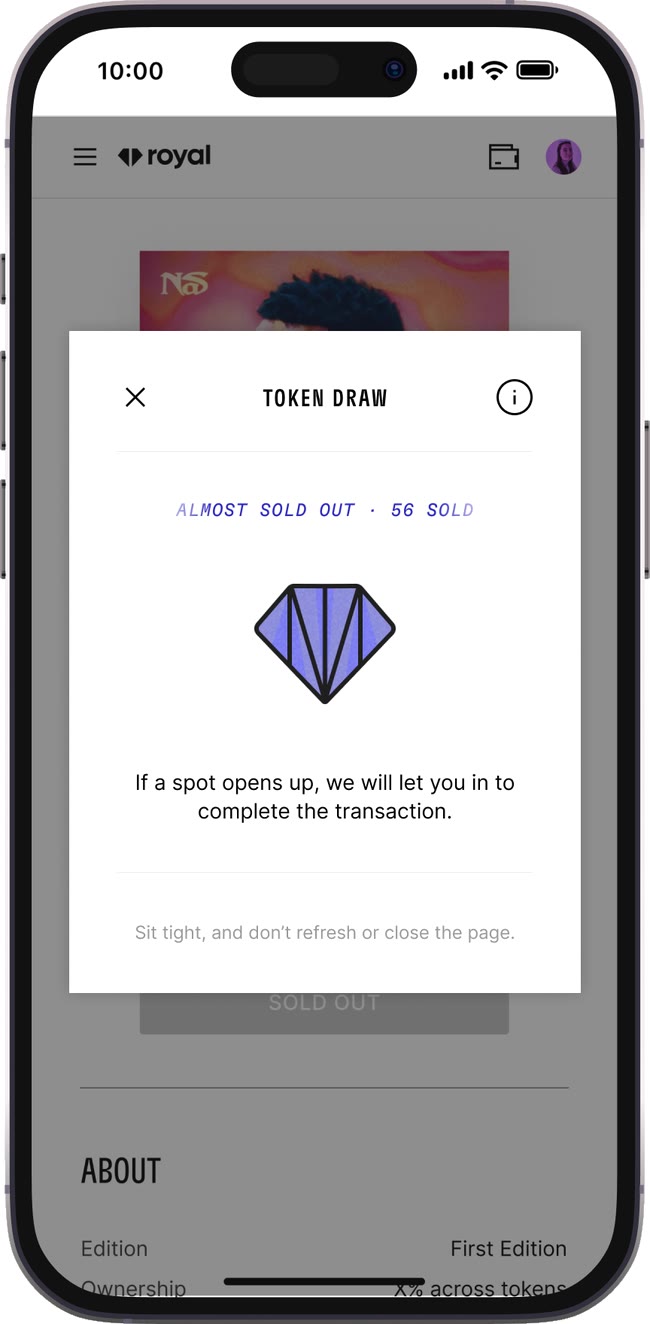
But only 4% of visitors became token holders when a drop went live. Most encountered a queue or arrived to find the collection sold out.
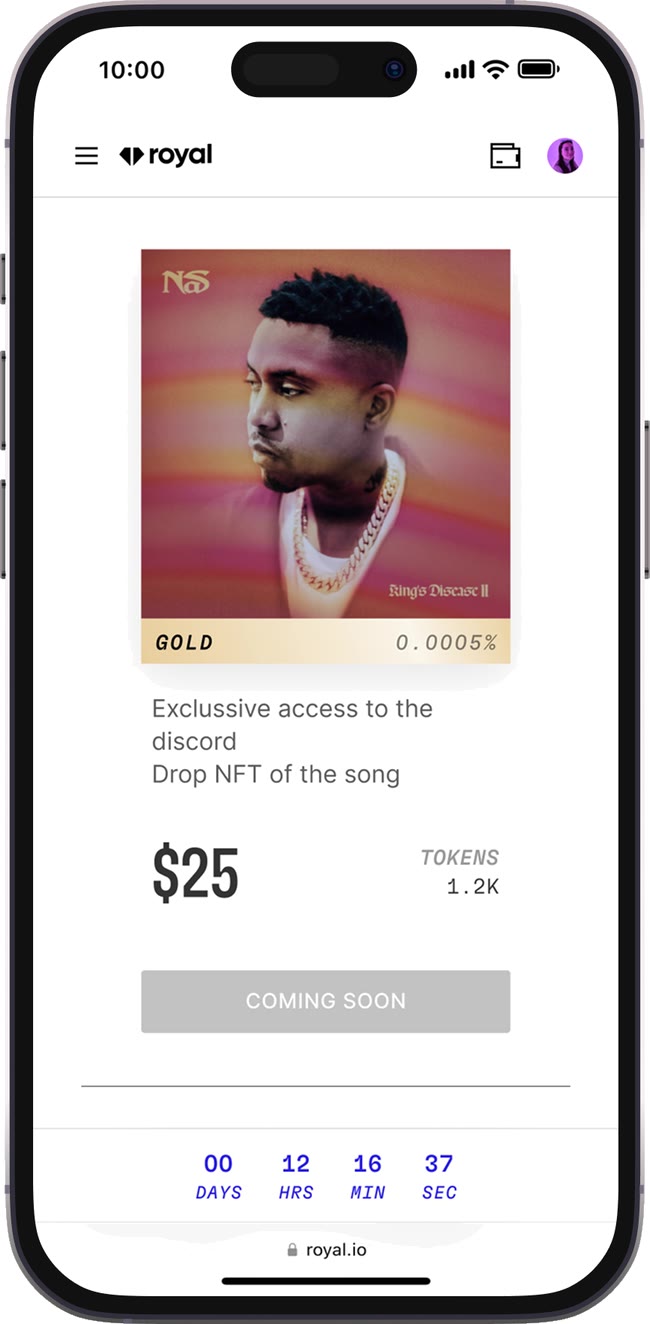
Two spikes, one missed opportunity
Traffic consistently surged twice: when a collection was announced and when sales opened. Yet our purchasing window captured only the second spike.
Meanwhile, 70% of purchases came from repeat buyers. Tokens were selling, but unique ownership wasn’t growing at the same pace.
Rethinking the drop
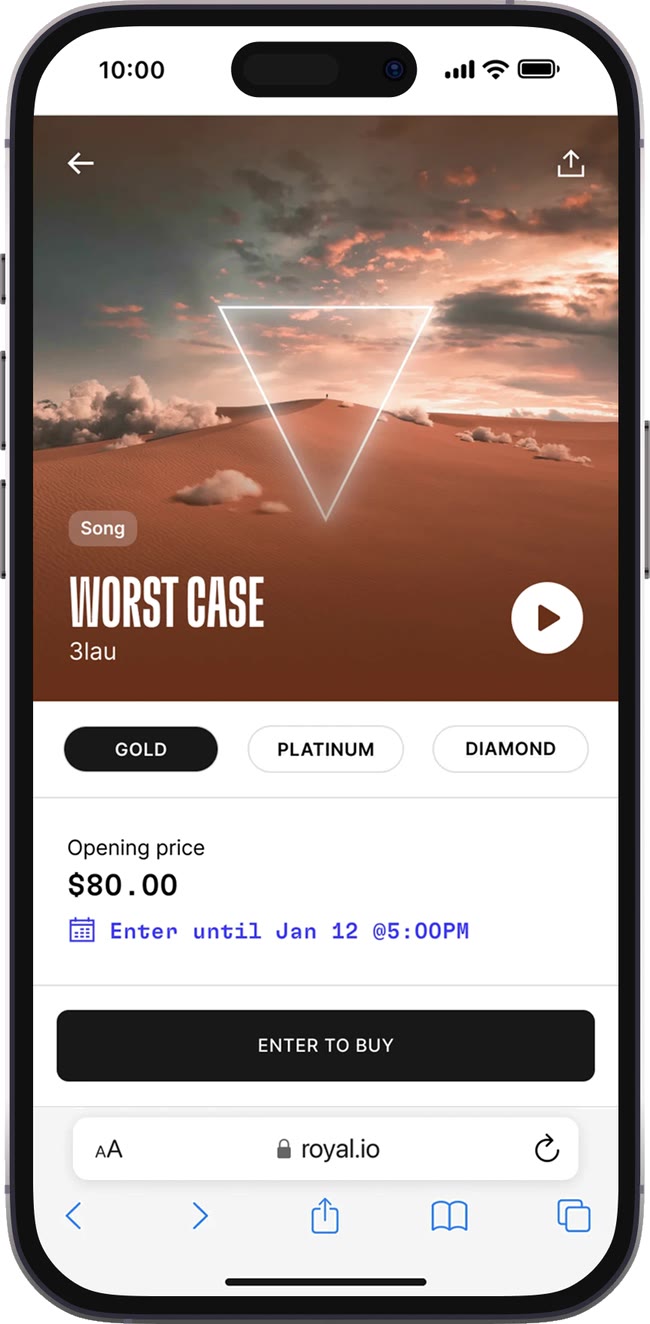
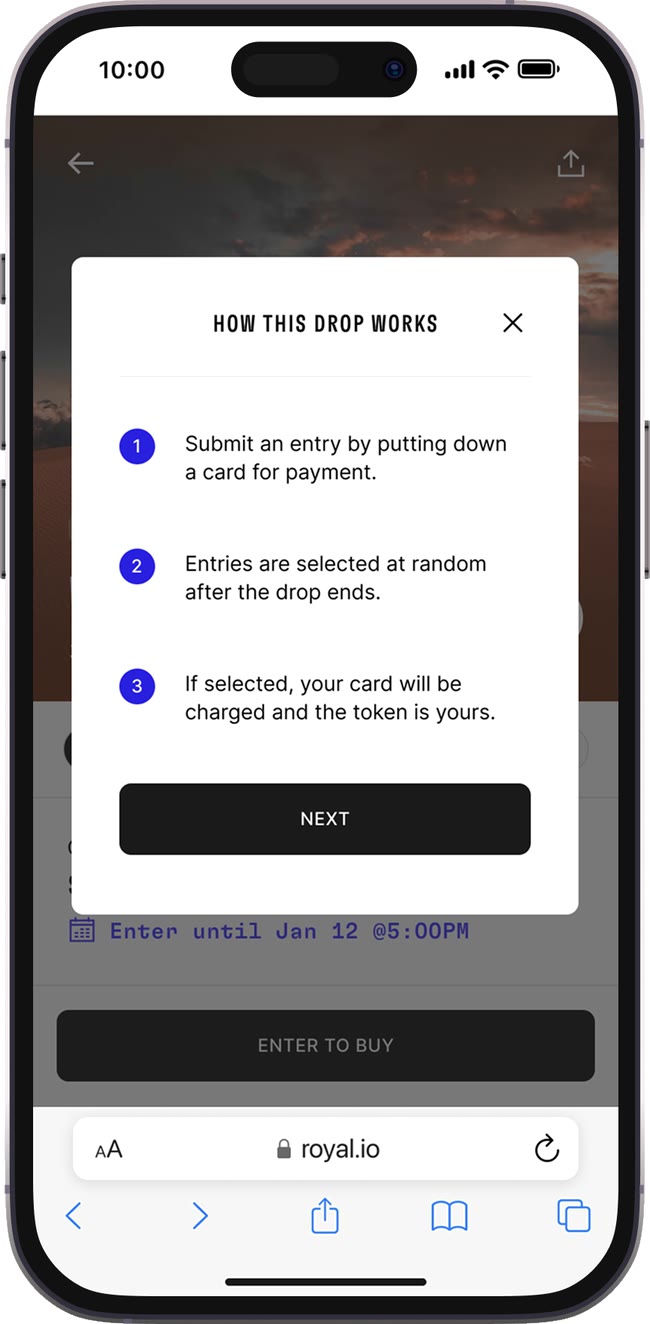
I redesigned drops around a draw. Instead of competing at a single moment, collectors could enter over several days, with selection prioritizing first-time owners.
This helped capture demand across both traffic spikes while giving more fans a chance to participate.
A sold-out collection shouldn’t be a dead end
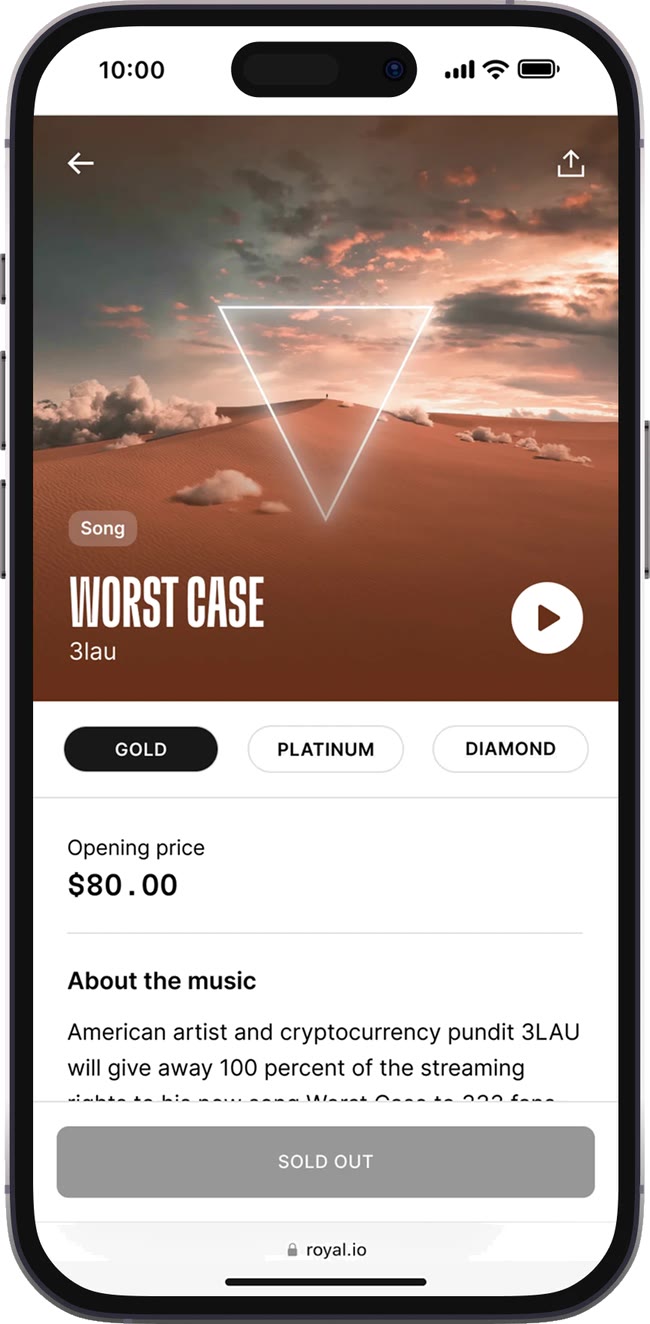
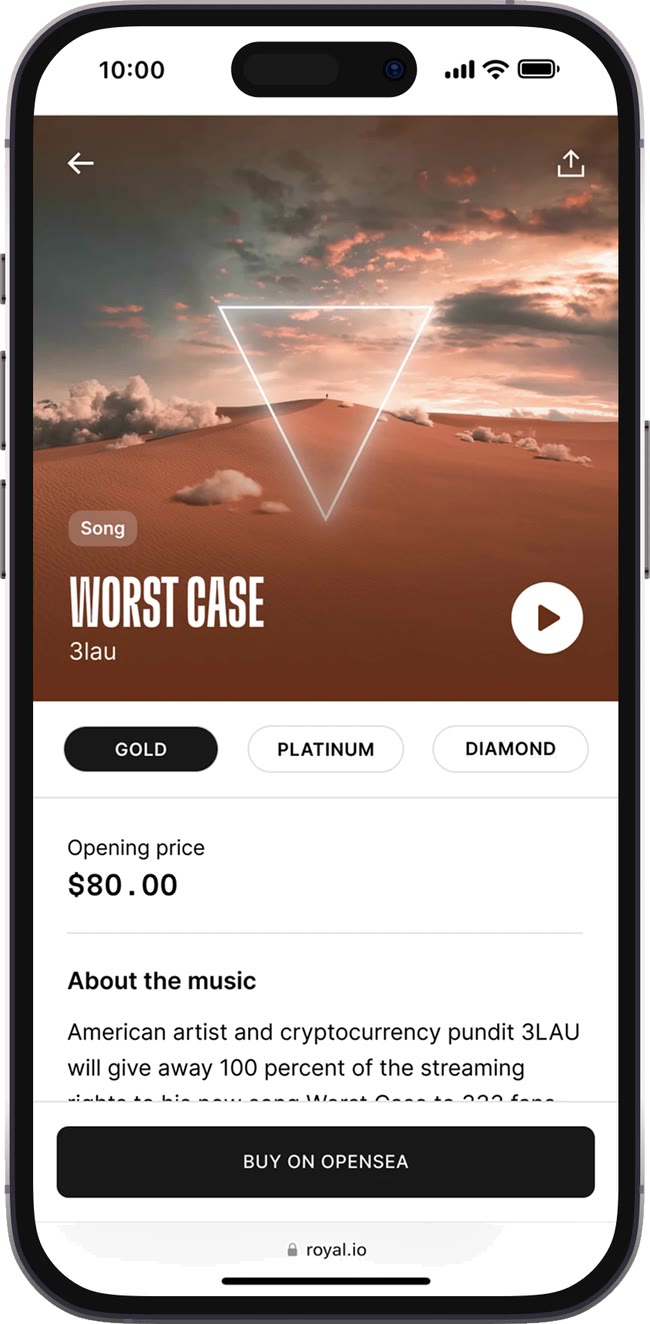
Once a collection sold out, its listing became a dead end. Yet trading continued on secondary marketplaces like OpenSea.
We temporarily linked to OpenSea, but saw a bigger opportunity: what if collectors could buy and sell music rights directly on Royal?
dead end
off-platform trading
Making non-fungible assets feel fungible
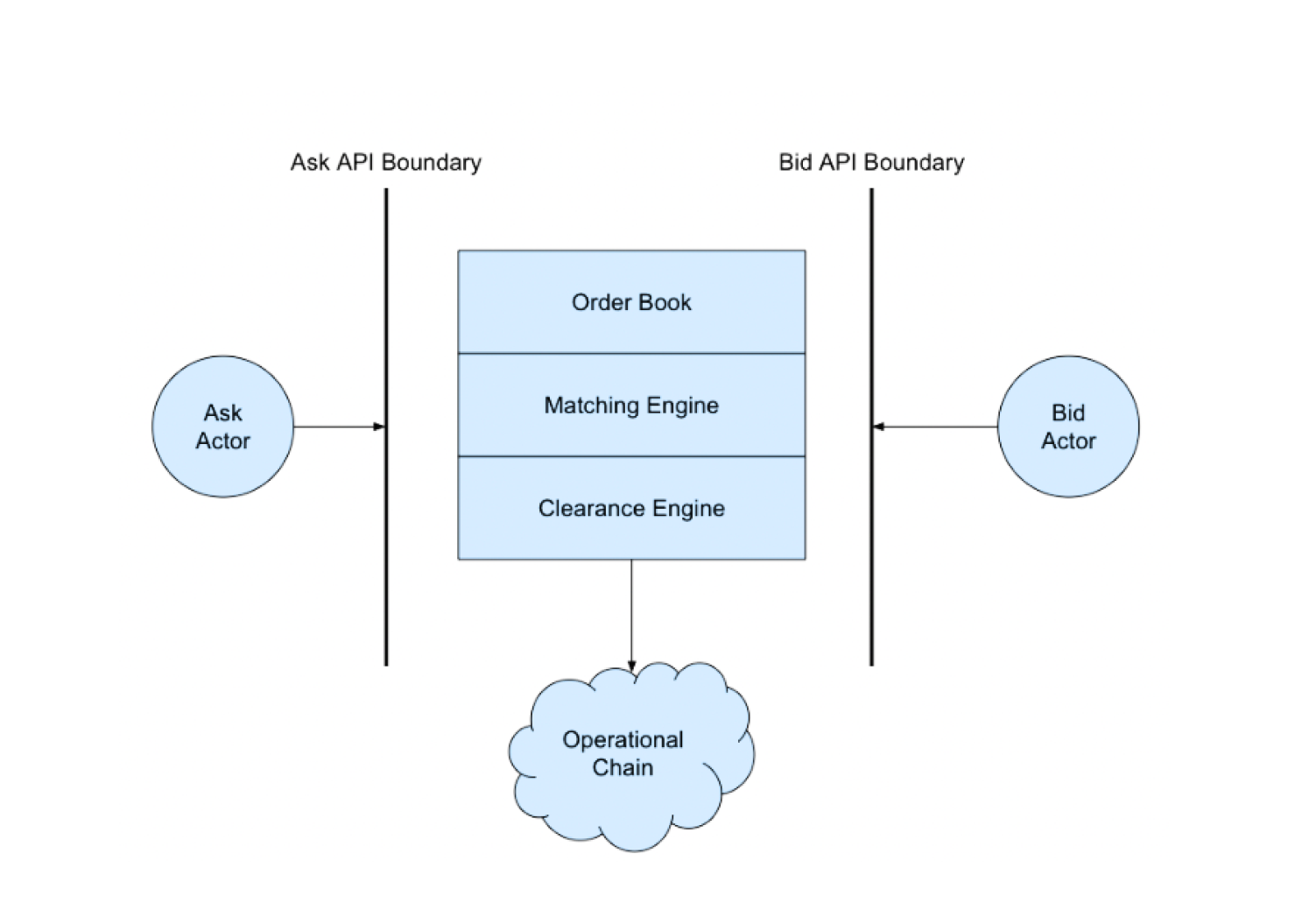
Traditional NFT marketplaces required sellers to review offers manually. We wanted music rights to trade more like stocks, with transparent pricing and immediate transactions.
The team built an order book that automatically matched bids with asking prices. I designed the experience on top of it, so collectors never had to think about the matching engine: discover music rights, see market prices, and buy or sell without negotiating one-on-one.
Royal was becoming more than a place to collect music rights. It was becoming a marketplace for them.
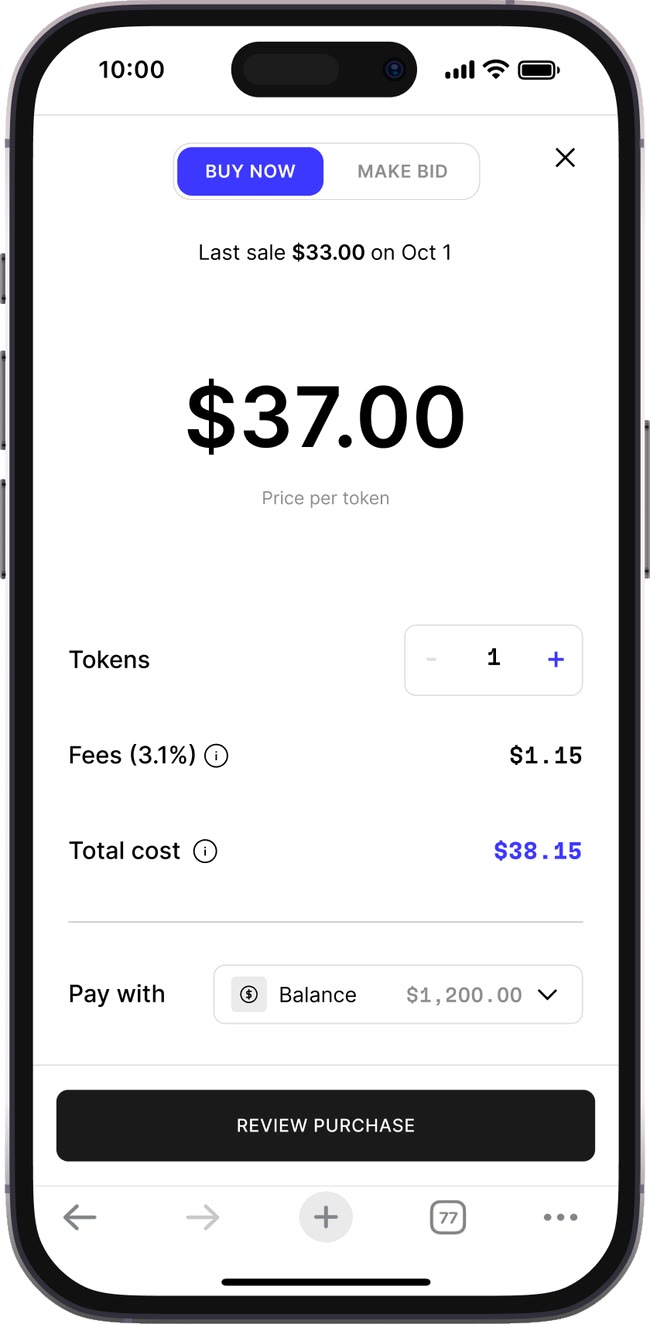
buy now
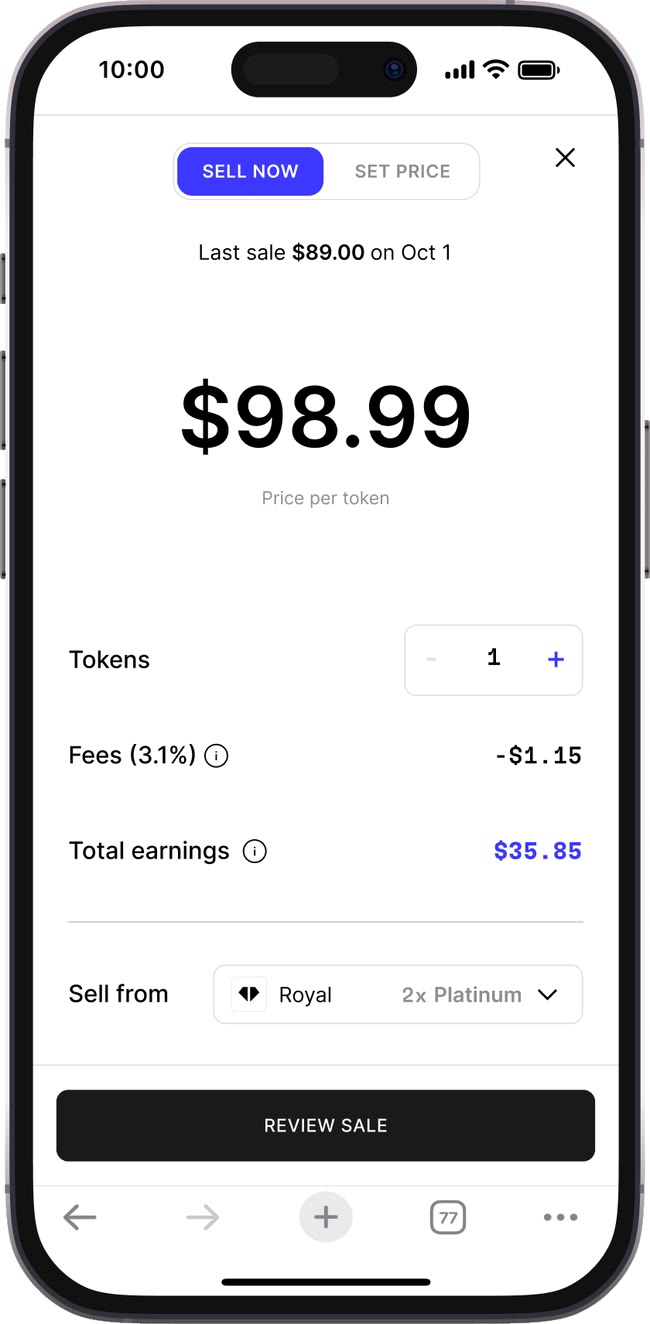
sell now
From fans to owners
Royal began by giving fans a way to own music. But selling out wasn’t enough. We needed to make ownership accessible, give collectors reasons to return, and help their assets change hands. My work evolved alongside those challenges, from building the first collector experiences to designing a marketplace for music rights.